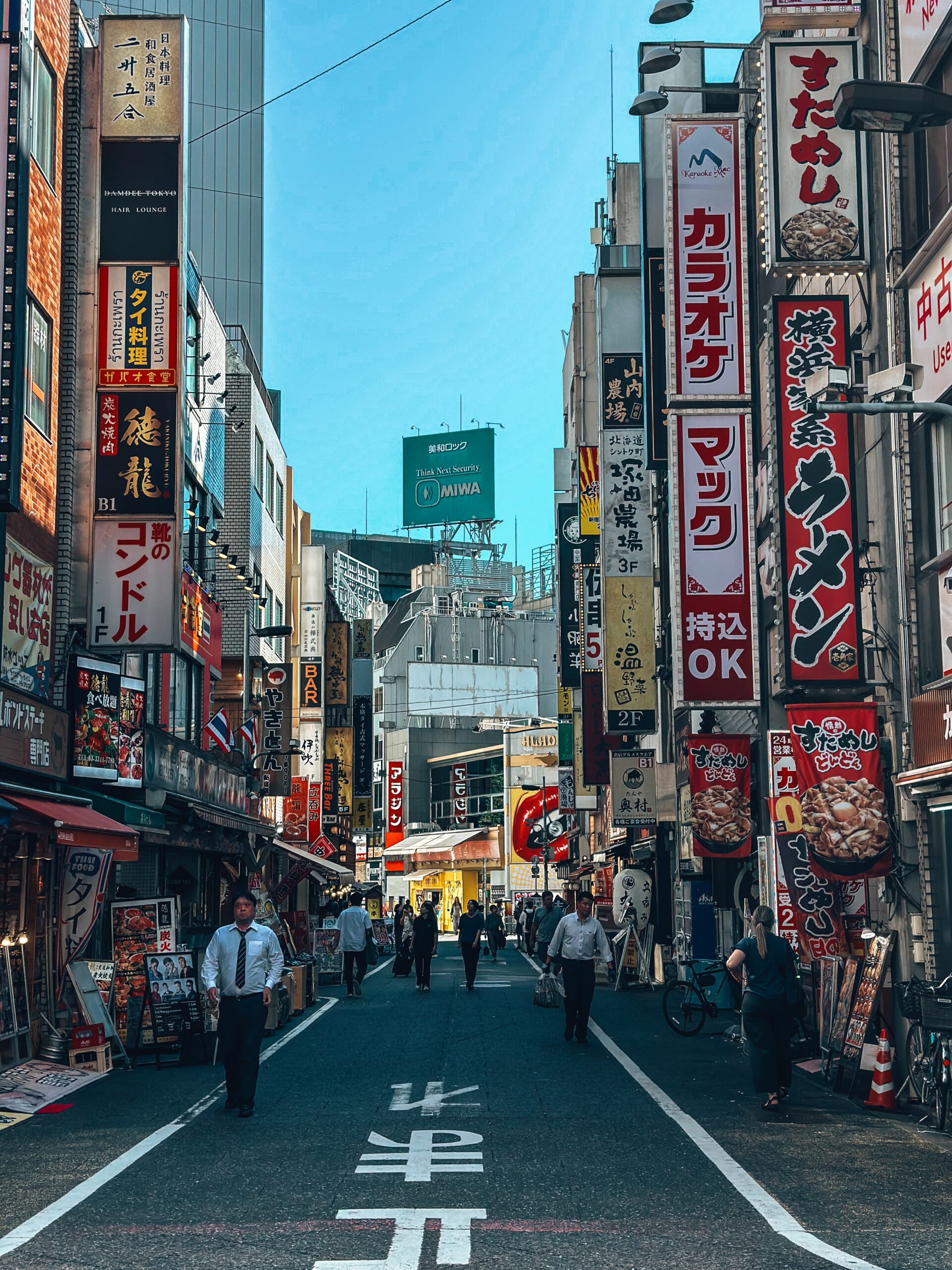
Platform comparison
| Platform | YES odds | NO odds | Fee | KYC | Settlement | |
|---|---|---|---|---|---|---|
Polymarket (via Best Prediction Markets UK) Pick polygram.ink (preferred broker) |
99% | 1% | 0% (USDC on-chain) | No-KYC up to $1,500 | USDC, auto via UMA oracle | View on Polymarket → |
Polymarket (direct) polymarket.com |
99% | 1% | 0% | Geo-blocked in US/UK/EU | USDC, on-chain | View on Polymarket → |
Kalshi kalshi.com |
— | — | Up to 7% per trade | US-only, KYC required | USD | View on Polymarket → |
Betfair Exchange betfair.com |
— | — | 2-5% commission | Full KYC from first trade | GBP / EUR | View on Polymarket → |
Manifold Markets manifold.markets |
— | — | Play-money (mana) | None — play-money | Mana (no cash-out) | View on Polymarket → |
Outcome probabilities
Current market-implied probability for each outcome, from the live order book.
| Outcome | Probability |
|---|---|
| 35°C | 99% |
| 36°C | 1% |
| 29°C or below | 0% |
| 30°C | 0% |
| 31°C | 0% |
| 32°C | 0% |
| 33°C | 0% |
| 34°C | 0% |
| 37°C | 0% |
| 38°C | 0% |
| 39°C or higher | 0% |
Market context
Tokyo’s **highest temperature on 31 July** will be measured at Haneda Airport and, with settlement ending at 12:00 UTC, the market is effectively focused on the late-morning and early-afternoon heat build-up. The current crowd-implied **0% YES** looks hard to reconcile with the forecast backdrop: multiple mainstream outlets have Tokyo near the high-20s to mid-30s Celsius, with the Japan Meteorological Agency putting Tokyo at **28°C/22°C** and FNN citing a local forecast of **36°C** for the city on 31 July[12][5]. AccuWeather’s monthly outlook also shows Tokyo’s July highs clustered in the **high 20s to high 30s °C** range, not near a cool-day outlier[1][7].
Historical framing argues against treating 0% as informative rather than a stale or illiquid line. Tokyo’s July climatology is usually hot and humid, with WeatherSpark showing average daily highs rising to about **86°F** by month-end and July 31 among the clearest days of the month[16]. That matters because the contract resolves to the *highest* reading of the day, not the daytime average; once sunshine breaks through, a short-lived spike can settle the range. Cross-platform comparison is therefore asymmetric: the prediction market sits at a hard-zero print, while conventional forecast platforms and official guidance cluster around a materially warm day, implying the market may be pricing in either extreme confidence in a cooler station reading or very thin participation[12][5][16].
Traders should watch the final Tokyo-area forecast updates, any thunderstorm timing, and whether cloud cover persists into the midday heating window. Timeanddate’s hourly forecast has Tokyo climbing into the **low to mid-90s °F** by late morning and early afternoon, while also flagging thunderstorms and heavy humidity, conditions that can either cap the high or amplify the heat index without necessarily affecting the official maximum reading[9][2]. The key dependency is the Haneda observation itself: coastal wind, sea-breeze timing, and convective showers can all shift the eventual top temperature by a few degrees, so the last pre-settlement forecast cycle is likely more relevant than the morning snapshot[2][9].
Methodology
We track Highest temperature in Tokyo on July 31? across the five venues with material prediction-market liquidity. The probability shown is the live Polymarket mid; the comparison rows summarise how each venue treats the underlying contract — fees, KYC thresholds, settlement currency, deposit options. The highlighted row marks the cheapest route into Polymarket's order book.
Resolution & payout
At resolution the UMA oracle takes over: a proposer posts the outcome with a bond, any token holder can dispute within two hours. Without dispute the result is accepted and the smart contract distributes USDC instantly.
On Kalshi (CFTC-regulated) resolution runs through their in-house clearing engine in USD. Betfair Exchange settles after match end in the account's local currency. Manifold pays no cash — only its in-platform "mana" currency.
FAQ
- Is this market available outside the US?
- Polymarket itself is geo-blocked in the US/UK/EU. Always check the legal status of prediction markets in your jurisdiction before trading.
- How does resolution work?
- Through the UMA Optimistic Oracle on Polygon: a proposer submits the outcome, a two-hour challenge window opens, and USDC payouts settle automatically once the result is final.
- What's the difference between YES and NO shares?
- A YES share pays $1.00 if the event happens, $0 otherwise. A NO share pays $1.00 if the event doesn't happen. The market price between 0¢ and 100¢ is the implied probability.
- Do I need to KYC for this market?
- On Polymarket directly, no — it's wallet-based. Intermediary brokers like Best Prediction Markets UK trigger KYC only above $1,500 of lifetime trading volume; under that you trade pseudonymously with a single wallet address.
- How reliable are the quoted odds?
- The YES/NO percentages are the live mid-prices of the Polymarket order book. On deep markets they move every few seconds; on thinner ones you'll see short plateaus.
%22%2F%3E%3Cpath%20d%3D%22M%206%2066%20A%2026%2026%200%200%201%2058%2066%22%20fill%3D%22%23E6B98D%22%20opacity%3D%220.9%22%2F%3E%3Ccircle%20cx%3D%2232%22%20cy%3D%2226%22%20r%3D%2222%22%20fill%3D%22%23F5CBA7%22%2F%3E%3Cpath%20d%3D%22M%2010%2018%20Q%2016%204%2026%2010%20Q%2020%202%2032%206%20Q%2044%202%2038%2010%20Q%2048%204%2054%2018%22%20stroke%3D%22%2322d3ee%22%20stroke-width%3D%224%22%20fill%3D%22none%22%20stroke-linecap%3D%22round%22%2F%3E%3C%2Fsvg%3E) and
and%22%2F%3E%3Cpath%20d%3D%22M%206%2066%20A%2026%2026%200%200%201%2058%2066%22%20fill%3D%22%23E6B98D%22%20opacity%3D%220.9%22%2F%3E%3Ccircle%20cx%3D%2232%22%20cy%3D%2226%22%20r%3D%2222%22%20fill%3D%22%23F5CBA7%22%2F%3E%3Cpath%20d%3D%22M%2010%2026%20A%2022%2028%200%200%201%2054%2026%22%20fill%3D%22%2322d3ee%22%20opacity%3D%220.9%22%2F%3E%3C%2Fsvg%3E)
Trade Highest temperature in Tokyo on July 31? on Best Prediction Markets UK
Live order book, 0% fees, USDC settlement in seconds.
Open live market →